Understanding SMMC in Florida: A Guide to Medicaid Managed Care


If you've been researching Medicaid options in Florida, you've probably come across the term "SMMC" and wondered what it means. You're not alone—many people know it's connected to Medicaid but aren't quite sure how it all works. Let's break down what SMMC is and how it might affect your long-term care planning.
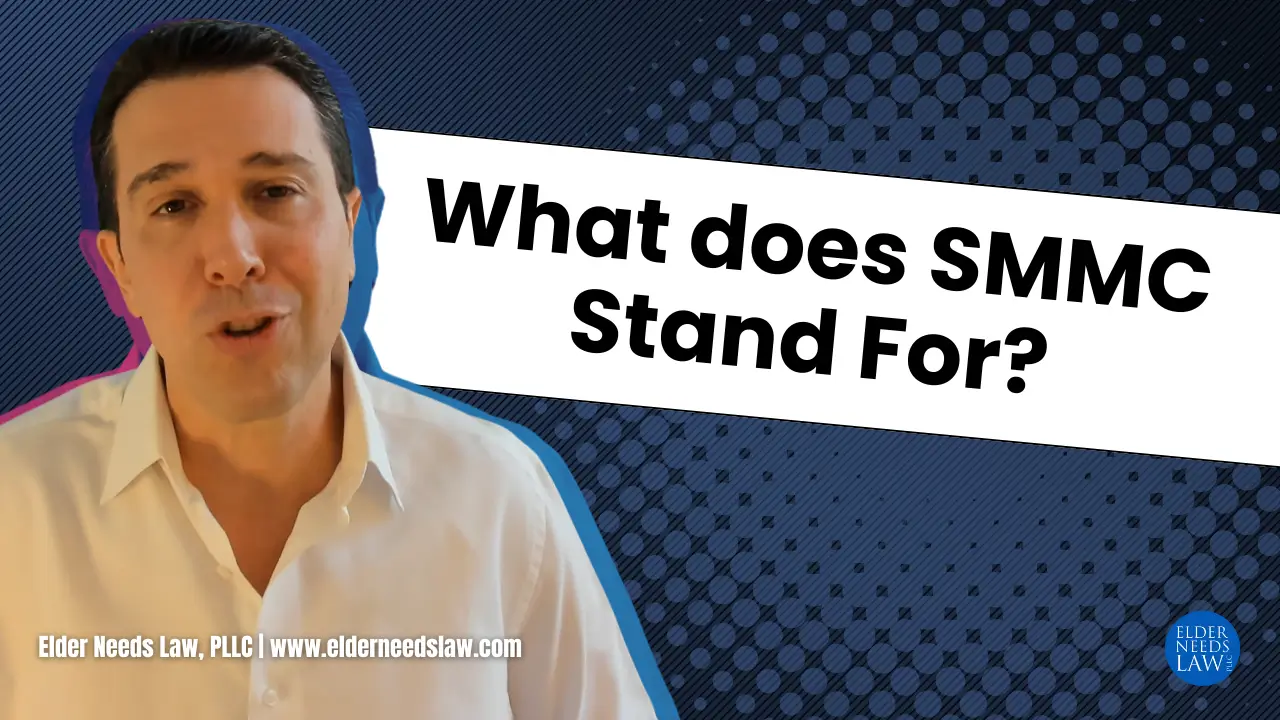
What Does SMMC Stand For?
SMMC stands for Statewide Medicaid Managed Care. That's it—nothing complicated, just a way Florida handles Medicaid services. When you enroll in Medicaid in Florida, you're not dealing directly with the state. Instead, you'll be assigned to a managed care provider that handles your benefits and services.
How Does SMMC Work in Florida?
Florida takes a different approach to Medicaid than many other states. Rather than managing everything directly, the state works with private insurance companies to deliver Medicaid services. Each county in Florida has between four and eight managed care providers available.
You've probably heard of some of these organizations:
- Simply Health
- Humana
- United Healthcare
- Sunshine Health
- Aetna
- Molina
These major insurance companies partner with Florida to manage Medicaid on behalf of the state. Depending on where you live in Florida, you'll have access to several of these providers, and you'll get to choose which one works best for your needs.
What About Long-Term Care?
When it comes to long-term care services, you'll see the term SMMC LTC—that's Statewide Medicaid Managed Care Long-Term Care. This is the specific program that covers services like:
- Home care assistance
- Assisted Living Facility (ALF) care
- Nursing home care through the Institutional Care Program (ICP)
- PACE (Program of All-Inclusive Care for the Elderly)
The concept is straightforward: Florida contracts with these private managed care organizations to deliver long-term care services to people who qualify for Medicaid. Instead of the state handling everything directly, these insurance companies coordinate your care, manage your benefits, and work with healthcare providers on your behalf.
Why Does Florida Use Managed Care Organizations?
The managed care model allows Florida to provide Medicaid services more efficiently. These private organizations bring their experience in healthcare management, care coordination, and provider networks to help Medicaid recipients get the services they need. The state oversees these organizations to ensure they're meeting quality standards and following Florida Medicaid rules.
How to Qualify for SMMC Programs
Qualifying for Medicaid in Florida—whether it's for general healthcare or long-term care services—involves meeting specific financial and medical requirements. Florida has strict asset and income limits that determine eligibility. Many people find they have too many assets to qualify right away, which is where proper planning becomes essential.
There are legal and ethical strategies to protect your assets while still qualifying for Medicaid benefits. These strategies must comply with Florida law and Medicaid rules, which include look-back periods and other regulations designed to prevent improper transfers of assets.
The Look-Back Period in Florida
Florida Medicaid has a five-year look-back period for long-term care benefits. This means Medicaid will review any asset transfers you've made in the five years before applying for benefits. If you've given away assets or sold them for less than fair market value during this time, you could face a penalty period where you're ineligible for benefits.
That's why planning ahead matters. The sooner you start thinking about long-term care and Medicaid planning, the more options you'll have to protect your assets while ensuring you can get the care you need.
Different Programs for Different Needs
SMMC LTC isn't the only option for long-term care in Florida. Depending on your situation, you might qualify for:
ICP (Institutional Care Program): This program helps pay for nursing home care when you need that level of medical assistance.
PACE (Program of All-Inclusive Care for the Elderly): PACE is a comprehensive program that provides both medical and long-term care services to help seniors stay in their communities rather than moving to nursing homes.
Home and Community-Based Services: These programs help people receive care at home or in assisted living facilities rather than in nursing homes.
Each program has its own eligibility requirements and benefits, so it's important to understand which one might work best for your situation.
Planning Ahead Protects Your Options
The key to making SMMC work for you is planning ahead. Whether you're concerned about future care needs for yourself or helping an aging parent, taking action now gives you more choices. Proper planning can help you:
- Protect assets you want to preserve for your family
- Ensure you'll qualify for benefits when you need them
- Avoid penalties from improper asset transfers
- Choose the right managed care provider for your needs
- Access the type of care that best fits your situation
Get the Help You Need
Medicaid planning in Florida involves complex rules and regulations. What works for someone in one county might not work in another. The strategies that help protect assets must comply with both federal Medicaid law and Florida-specific regulations.
If you're anywhere in Florida and concerned about paying for long-term care, whether that's home care, assisted living, or nursing home care, professional guidance can make a significant difference. Proper planning helps ensure you can access SMMC LTC, ICP, PACE, or other programs when you need them, without losing everything you've worked hard to build.
Additional Resources
For more information about Medicaid planning in Florida and how to protect your assets while qualifying for long-term care benefits, visit:
- Website: elderneedslaw.com
- Medicaid Planning Resources: medicaidplanninglawyer.com
- Book: Let Medicaid Pay Some of Your Long-Term Care Expenses - Available on Amazon
These resources provide valuable information about how Florida's Medicaid system works and what steps you can take to plan for long-term care needs.
This article is for informational purposes only and does not constitute legal advice. Medicaid rules and regulations can change, and every situation is unique. For advice specific to your circumstances, consult with a qualified attorney who focuses on elder law and Medicaid planning in Florida.