When a Pooled Special Needs Trust Makes More Sense Than a Miller Trust


For Floridians who want to age at home, the choice between these two trusts can make a real difference in how — and where — your money goes.
By Jason Neufeld, Esq. | Board-Certified Elder Law Attorney | Elder Needs Law | Serving all of Florida
If you or a loved one is applying for Florida Medicaid — whether for care at home, in an assisted living facility, or in a nursing home — you already know there are two big hurdles: the asset test and the income test. Most people focus on the asset side, but the income side trips up a surprising number of families.
Here's the situation: Florida Medicaid uses an income cap. If your total monthly income from all sources — Social Security, pension, IRA distributions, you name it — exceeds that cap, you won't qualify for benefits unless you take action. You can find the current income cap figure on my website or on my YouTube channel, since it changes every year.
The Two Main Tools for the Income Test
When income exceeds Florida's Medicaid income cap, families typically use either a Qualified Income Trust (also called a Miller trust or QIT) or a Pooled Special Needs Trust to handle the excess. Both work — but they're not interchangeable for everyone.
So What's the Difference?
On the surface, these two trusts handle the same problem: parking your excess income somewhere so Medicaid doesn't count it against you. And they share one major drawback — both are subject to Medicaid estate recovery in Florida, meaning the state can seek reimbursement from trust funds after your passing. That part is unavoidable regardless of which trust you use.
The real difference comes down to one thing: what the money inside the trust can be spent on.
A Qualified Income Trust (Miller trust / QIT) only allows funds to be used for health and medical-related expenses. It works well for nursing home and assisted living settings, where most day-to-day needs are already covered by the facility.
A Pooled Special Needs Trust, on the other hand, can be used for both medical and non-medical expenses — making it a more flexible option, and often the better fit for clients receiving care at home through a Medicaid waiver program.
Why the Spending Restriction Matters for Home Care
For clients in a nursing facility, a Miller trust is almost always perfectly fine. Their day-to-day needs are handled by the facility, and any remaining income typically just covers their patient pay responsibility. Medical needs are Medicaid's territory.
But for clients receiving care through Florida's Medicaid waiver program — the people who want to stay home and age in place — Medicaid is often already covering the big-ticket medical items: doctor co-pays, most prescriptions, and a set number of home care hours per week. That's a good thing. But it leaves an awkward question: if Medicaid is paying for my care, who's paying for everything else?
Think about what a real monthly budget looks like for someone living at home: property taxes, HOA fees, credit card bills, cable and streaming, entertainment, home maintenance. None of those are medical expenses. Which means a Miller trust — where funds are restricted to health-related spending — won't cover any of them. If someone's excess income is sitting in a QIT, it simply cannot be used to pay the HOA bill or the credit card. That can create a real financial gap for families.
A Pooled Special Needs Trust doesn't have that restriction. The funds can cover both medical and non-medical costs, which makes it far more practical for someone managing a household while receiving home-based Medicaid services.
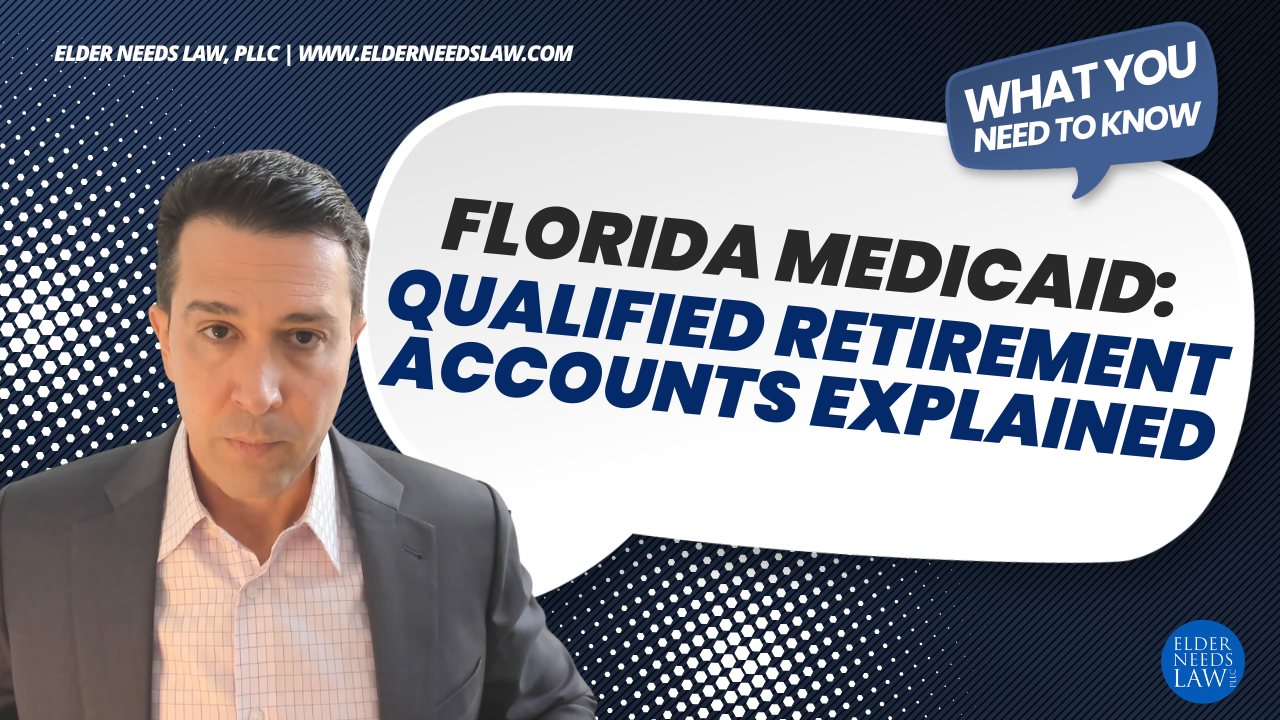
Watch: The Full Explanation
The Bottom Line: It Depends on Where You're Receiving Care
If your loved one is in a nursing home or assisted living facility, a qualified income trust is almost certainly the right tool. It's simpler, it's tried and true, and the spending restrictions rarely create problems in those settings.
But if your goal is to stay in your own home — and many of our clients feel strongly about that — and Medicaid waiver is covering the medical side of things, a Pooled Special Needs Trust gives you far more room to work with. It keeps money available for the full range of household and lifestyle expenses that come with living independently.
This is exactly the kind of decision that benefits from a real conversation with an elder law attorney. The right answer depends on your specific income level, what benefits you're receiving, and what your day-to-day needs actually look like.
A Note on Medicaid Estate Recovery
Both the Miller trust and the Pooled Special Needs Trust are subject to Florida Medicaid estate recovery. This means the state may seek reimbursement from remaining trust funds after the beneficiary's passing. This is unavoidable with either option, but there are other Medicaid planning strategies that can help protect your estate — worth discussing with your attorney.
More Resources
- Website: elderneedslaw.com
- Medicaid Planning information: medicaidplanninglawyer.com
- The Book — Medicaid: Have the Government Pay Some of Your Long-Term Care Expenses: amazon.com/Medicaid-some-your-long-term-expenses/dp/1513634712
- Video library and more Medicaid planning topics: visit the YouTube channel
Have questions about your situation? Elder Needs Law serves families throughout Florida. Visit elderneedslaw.com to get the right answers for your specific circumstances.