Why Your Donation to "The Humane Society" Might Not Help Your Local Shelter


If you've been donating to what you think is your local animal shelter, you might be surprised—and possibly disappointed—to find out where that money actually goes.
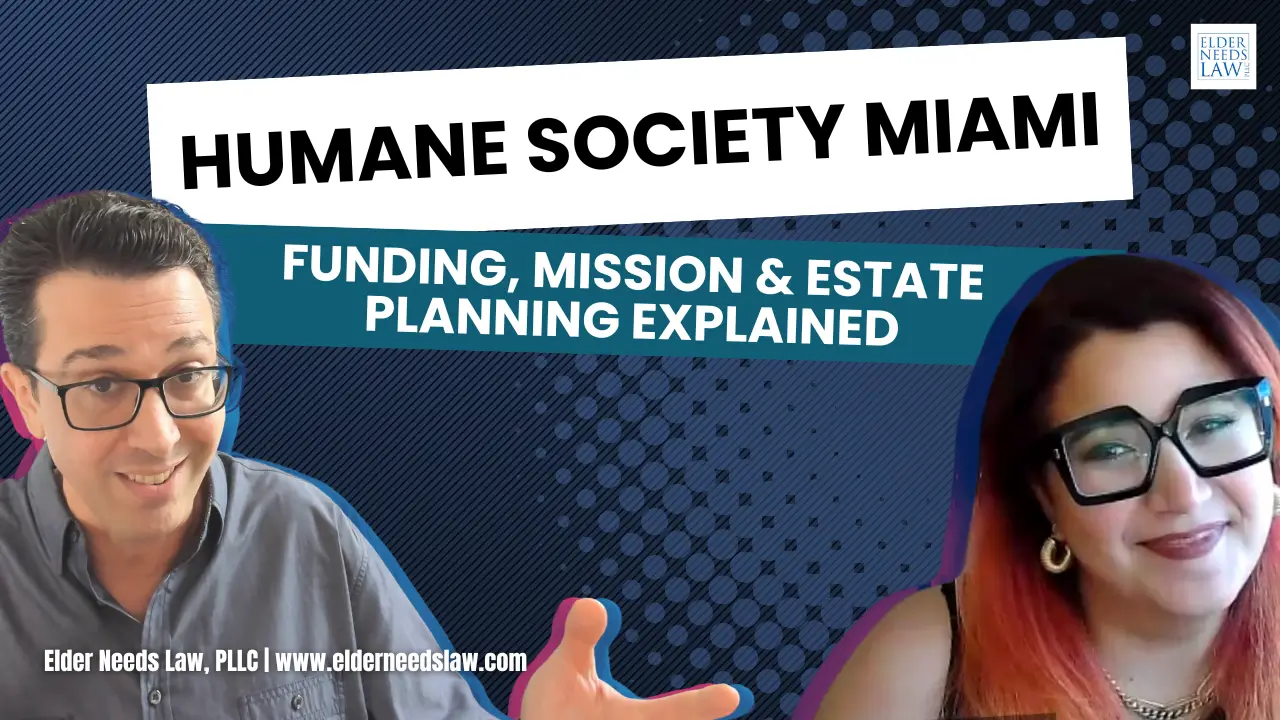
I recently sat down with Josie Aguirre, Executive Director of the Humane Society of Greater Miami, and she revealed something that catches most people off guard: local humane societies receive exactly zero dollars from the national organization.
That's right. Zero.
The Truth About Humane Society Funding
Here's what most people assume: When you donate to the Humane Society's main website, that money gets distributed to local chapters helping animals in your community.
But here's the reality: There are no chapters. Every single humane society operating in cities across America—including here in Florida—is a completely independent, privately-funded organization.
The Humane Society of Greater Miami, for example, operates separately from Humane Society of Broward County just across the county line. They're friends, they help each other when possible, but they're two entirely different organizations with separate funding, separate rules, and separate missions.
"There's no big brother over us," Josie explained. "We each make our own rules, our own mission statement, and operate completely independently of each other."
How Local Shelters Actually Stay Open
So if they're not getting money from a national organization or the government, how do these shelters keep their doors open?
For the Humane Society of Greater Miami—and many other local humane societies—funding comes from:
- Programs and services they offer
- Private donations from community members
- Estate gifts through wills and trusts
"Every dollar that comes in is so important to keep the doors open and help the animals," Josie shared. "When you see a humane society, just think: they have to raise the money to keep the doors open."
<div style="position: relative; padding-bottom: 56.25%; height: 0; overflow: hidden; max-width: 100%; margin: 2em 0;"> <iframe style="position: absolute; top: 0; left: 0; width: 100%; height: 100%;" src="https://www.youtube.com/embed/YOUR_VIDEO_ID" frameborder="0" allowfullscreen></iframe> </div>
What Makes the Humane Society of Greater Miami Different
Not all humane societies operate the same way. The Humane Society of Greater Miami follows a "limited admit adoption guarantee" model, which means:
Limited Admit: They can only take in as many animals as they have space for.
Adoption Guarantee: Once an animal enters their system, it stays until adopted—no matter how long that takes.
One dog has been there for four years. Some cats have stayed for six or seven years. Their longest resident lived at the shelter on and off for nine years.
And if an adopted animal needs to come back for any reason? They're always welcomed.
Why "No Kill" and "Adoption Guarantee" Aren't the Same Thing
You've probably heard shelters described as "no kill," but this term can be misleading.
A "no kill" shelter saves 90% or more of the animals that come through their doors. That sounds great—and it is—but mathematically, it still means up to 10% of animals can be euthanized while maintaining that "no kill" status.
For a shelter that takes in thousands of animals each year, 10% represents a significant number of lives.
An "adoption guarantee" shelter like the Humane Society of Greater Miami takes a different approach. Animals don't run out of time or space. The staff works with them behaviorally and medically for as long as it takes. Unless an animal has an untreatable medical condition or, despite significant effort, poses a danger that can't be resolved, they don't face euthanasia.
How Estate Planning Can Support Animal Welfare
As an estate planning attorney serving families throughout Florida, I work with many clients who want to support causes they care about after they're gone. For animal lovers, this often means including their favorite shelter in their will or trust.
"Wills, trusts, and estates—that's what has kept us afloat," Josie told me. "We're celebrating our 90th anniversary this year, and without any exaggeration, we would not have gotten here without estate gifts we've received over the years."
These gifts represent more than just funding. They're a legacy—a way for animal lovers to push their compassion forward to the next generation.
What About Your Own Pet?
Some clients ask me: "What happens to my dog if I die and no one can take care of him?"
This situation comes up more often than you might think, particularly with my clients in their 60s, 70s, and 80s. Many consider their pets to be their children and want to ensure they're cared for with the same love and attention they provided.
The good news? The Humane Society of Greater Miami—and likely your local shelter—can help with this situation. While it's not their most common arrangement, they will accept pets whose owners have passed away and ensure they're placed in loving homes.
"What better place than a building filled with animal lovers who have dedicated their lives to taking care of them?" Josie pointed out. "That dog is going to be as spoiled with us as it was in the home."
In Florida, you can also set up a pet trust as part of your estate plan, which sets aside funds specifically for your pet's care and names a caretaker to look after them.
How You Can Help Right Now
If you want to support the animals in your community, here's what you can do:
Visit your local shelter's website directly. For the Humane Society of Greater Miami, that's humanesocietymiami.org. Make sure you're donating to the specific organization you want to help—not a national organization with a similar name.
Consider fostering. Maybe you can't commit to a pet permanently, but you could welcome an animal into your home temporarily. The Humane Society of Greater Miami has a program called "Big Dog Snuggle More" where you can foster long-term shelter dogs for up to three months. You get a cuddle buddy, the dog gets a break from the shelter, and you can take photos and videos that help the shelter find them a permanent home.
Include your favorite shelter in your estate plan. If you're updating your will or creating a trust, talk with your attorney about adding a charitable gift to the animal welfare organization that matters most to you. In Florida, this is straightforward to set up and can make a tremendous difference.
Volunteer or adopt. Local shelters need hands-on help and, of course, forever homes for the animals in their care.
The Bottom Line
The next time you want to support animal welfare in your community, take a moment to find out where your donation is actually going. That well-known national organization might do good work, but if you want to help the shelter down the street—the one caring for animals in your own backyard—you need to support them directly.
Every local humane society operates independently, relies on private funding, and works tirelessly to care for animals that often have nowhere else to go. They deserve our support—and now you know exactly how to give it.
Additional Resources
For more information about estate planning, pet trusts, and how to protect what matters most to you and your loved ones (including the four-legged ones), check out:
- Website: elderneedslaw.com
- Medicaid Planning Resources: medicaidplanninglawyer.com
- Book: How to Pay for Some or All of Your Long-Term Care Expenses Using Medicaid
The Humane Society of Greater Miami can be reached at humanesocietymiami.org.