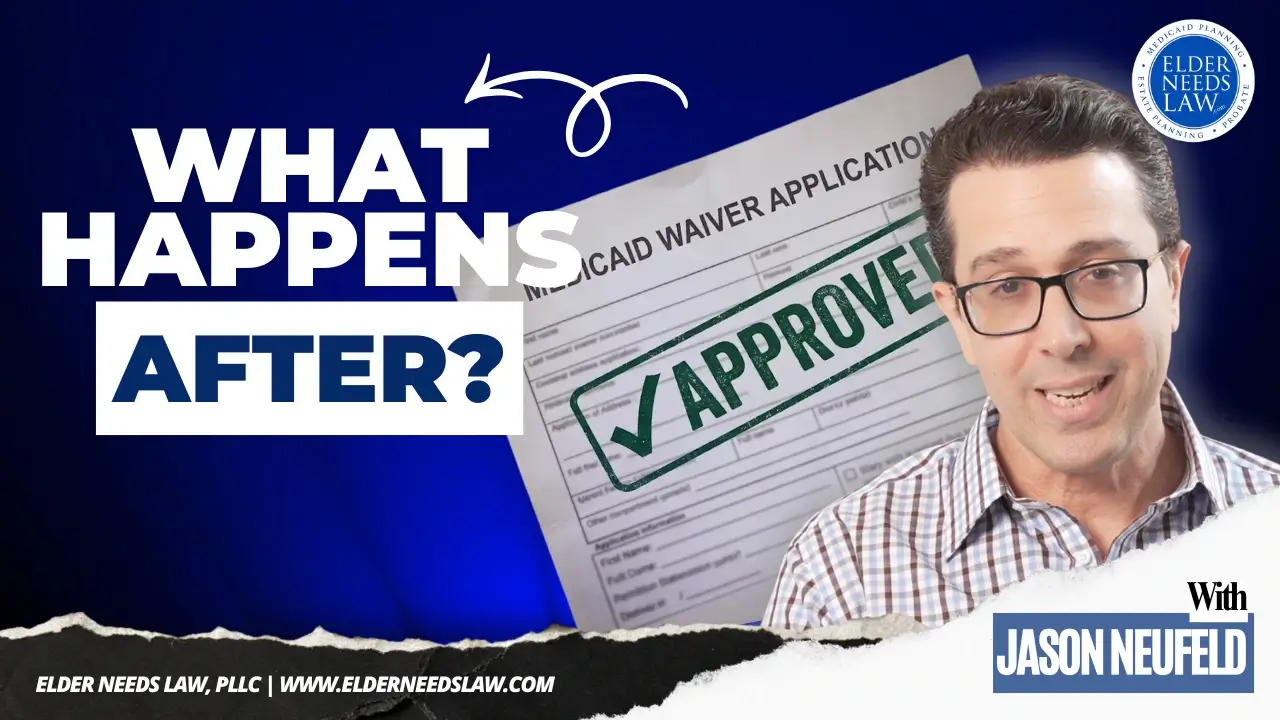
Should You Handle Your Medicaid Renewal Yourself? Here’s What You Need to Know



You made it through the initial Medicaid application process. Congratulations, that is genuinely a huge accomplishment. But now comes the annual renewal, required every 12 months by federal law under 42 C.F.R. 435.916, and you are probably wondering whether to handle it yourself or pay someone to do it.
It is a fair question. Nobody wants to spend money unnecessarily, and I am always honest with my clients about this. You can handle your Medicaid renewal on your own. It does not require a law degree. The paperwork is involved, sure, but it is not rocket science. Three things should drive your decision: how complicated the finances are, what a coverage gap would cost your family while it gets fixed, and how much time and attention you can realistically give the deadlines. So why am I writing this article? Because I want you to make an informed decision about what is actually at stake.
The Real Cost of a Small Mistake
Let me tell you about a recent situation with one of our clients. She was sharp, really intelligent, organized, and capable. She wanted to save some money, so she decided to handle her mother’s renewal herself. We totally understood and wished her well.
A few weeks later, she came back to us in a panic. The renewal had been denied. She had put information in the wrong section of the forms. The state claimed it sent a notice asking for additional information. She claimed she never received it.
Here is the thing. I was not involved in that renewal, so I cannot tell you who was right and who was wrong. But it does not really matter. What matters is that her mother’s Medicaid benefits were now in jeopardy over what was likely a simple, fixable error.
Why Medicaid Renewals Get Denied in Florida
Florida’s Medicaid system is complex, and the Department of Children and Families handles an enormous volume of applications and renewals with limited resources. That creates several recurring problems.
The state makes mistakes too. An underfunded, overworked bureaucracy sometimes denies renewals inappropriately, loses notices, or misprocesses information.
The forms are tricky. While not as complicated as the initial application, the renewal still requires accurate financial documentation, proper categorization of assets under Florida’s Medicaid asset rules, and careful attention to the specific waiver program’s requirements. A qualified income trust that must keep funding correctly, or an account that drifted above the $2,000 asset limit during the year, can sink an otherwise routine renewal.
Deadlines are strict. Miss a deadline or fail to respond to a request for information, whether you received it or not, and coverage ends. Renewals now run through the MyACCESS portal at myaccess.myflfamilies.com, so keeping the address, email, and notice preferences current in that account is the single cheapest protection available. Any change in circumstances must also be reported between renewals, not just at renewal time.
Communication is difficult. Try calling DCF’s customer center at (850) 300-4323 with a question. You might be on hold for an hour, and getting to someone who can actually resolve the issue can feel impossible.
What Happens If Your Renewal Gets Denied?
If you are on a Florida Medicaid waiver program or receiving long-term care through the Institutional Care Program, whether in a nursing facility, an assisted living facility, or at home, losing benefits is a serious problem. You are suddenly facing the full cost of care, which in 2026 runs from roughly $5,000 per month for Florida assisted living to more than $10,600 per month for a nursing home, and while you work to get benefits reinstated, those bills keep coming.
You can appeal. A fair hearing request must be made within 90 days of the denial notice, and if you request it before the adverse action takes effect, benefits can continue during the appeal, though amounts paid must be returned if the appeal loses. Appeals take time and require presenting the case effectively: gathering documentation, writing to the state, sometimes attending hearings, and knowing which rules to cite. Doing that well while care bills accumulate is exactly the pressure the renewal process is supposed to avoid.
What We Do Differently When Handling Renewals
When we handle your annual Medicaid renewal, we are not just filling out forms. We are providing protection against the kinds of problems that derail benefits.
We know the system inside and out. We submit these renewals all the time. We know what information goes where, what documentation Florida requires, and how to present everything so it moves smoothly through the system.
We catch problems before they become problems. If something in your renewal raises a question, maybe your financial situation changed, or an asset needs explaining, we spot it early and address it proactively.
We deal with the bureaucracy for you. When something goes wrong, and sometimes things just go wrong, we know how to reach supervisors, who to call, and how to push back when the state makes an error. We speak their language.
We stand behind our work. When we handle a renewal, we prepare it to be approved, and if the state denies it anyway, we fight that denial at no additional cost to you, provided the information you gave us was complete and accurate. No lawyer can promise what a government agency will do, but we can promise you will not face a denial alone or pay us twice to fix it.
The Real Question. What Is Your Time Worth?
Yes, we charge a fee to handle renewals, and yes, that costs money. But what is your time worth, and what is your peace of mind worth? Think about what handling it yourself involves.
● Gathering all the required financial documents.
● Filling out the forms correctly.
● Making copies of everything.
● Submitting everything by the deadline and confirming it was received.
● Responding to any requests for additional information.
● Dealing with any problems that arise.
Now think about what your life looks like right now. If you are caring for a loved one who needs long-term care, you are already stretched thin, and wrestling with Florida’s Medicaid bureaucracy is not where your attention belongs.
Making Your Decision
I respect whatever decision you make. Many people handle their renewals themselves and everything goes fine. But a percentage of those who go it alone end up with denied renewals, interrupted benefits, and a mess far more expensive to clean up than the renewal fee would have been. This is really about transferring the headache from you to us. We are good at this. It is what we do. We want your renewal to be as carefree as possible so you can focus on what matters, your family and your loved one’s care.
Key Takeaways
- Federal law requires a Medicaid renewal every 12 months under 42 C.F.R. 435.916, and missed paperwork is the most common way eligible people lose coverage.
- You may handle the renewal yourself; the decision turns on financial complexity, the cost of a coverage gap, and your available attention.
- A denial exposes the family to care costs from roughly $5,000 to more than $10,600 per month in 2026 while the fix is pending.
- Fair hearing requests are due within 90 days, and appealing before the action takes effect can keep benefits running during the appeal.
- Keeping MyACCESS contact information current and reporting changes between renewals prevents most notice-related denials.
Frequently Asked Questions
Q. How often does Florida Medicaid have to be renewed?
A. Every 12 months under 42 C.F.R. 435.916. DCF sends the renewal packet by mail or electronically based on your preference in MyACCESS, and coverage terminates when the renewal is not completed on time, even for people who still qualify.
Q. What should I do the moment a renewal is denied?
A. Read the notice for the exact reason and the dates, then act within the windows: a fair hearing request within 90 days, and before the adverse action date if you want benefits to continue during the appeal. Many denials are fixable quickly when the response is fast and complete.
Q. Can I fix a denial by just reapplying?
A. Sometimes reapplying is faster than appealing, but a new application means a new decision clock and a possible coverage gap, and for most adults Florida provides no retroactive coverage before the new application month. An attorney can tell you in one review which path costs the family less.
Q. Why would a renewal be denied when nothing changed?
A. Common reasons include a notice sent to an old address, an account that drifted over the $2,000 asset limit, a qualified income trust that stopped funding correctly, or simple processing errors by the state. All are fixable, and all are cheaper to prevent than to cure.
Q. Does the firm have to handle the original application to help with a renewal?
A. No. We handle renewals for families who applied on their own or with someone else, and the first renewal is often when planning gaps from the original application surface and can be corrected.
Additional Resources
For more on Florida Medicaid planning and protecting assets while qualifying for long-term care benefits, Jason’s book, How to Get Medicaid to Pay for Some of Your Long-Term Care Expenses, is available on Amazon, along with the resources on ElderNeedsLaw.com and MedicaidPlanningLawyer.com.
Keep the Benefits You Fought For
If a renewal is coming up for someone in your family, start with three steps. Log into MyACCESS and confirm the mailing address, email, and notice preferences are current, calendar the renewal month plus a reminder 30 days before it, and schedule a consultation with a Florida Medicaid planning attorney at Elder Needs Law, PLLC if anything about the finances changed during the year. Bring one document, a simple list of current accounts, balances, and monthly income, since that list shows in minutes whether this renewal is routine or needs attention before it is filed. If you are one of our clients and want us to handle the upcoming renewal, just call. If you handle it yourself, we genuinely wish you well; please be careful and thorough. Your Medicaid benefits are too important to risk, so whichever way you go, make sure it is done right.